Heritage Grains Make a Comeback: Tips for Incorporating Them into Your Meals
Heritage grains are gradually transforming how home cooks approach their daily meals. Once found primarily on health-food shelves and in specialty bakeries, grains such as farro, spelt, einkorn, and teff are now appearing in weeknight bowls, breakfast porridges, and pantry staples — and they’re more user-friendly than many anticipate.
The allure extends beyond just novelty. These grains possess a rich culinary history, unique flavors, and a textural diversity that modern wheat and white rice simply cannot provide. For those wishing to diversify their cooking without completely changing their routines, ancient grains represent one of the easiest entry points.
What Ancient Grains Actually Are
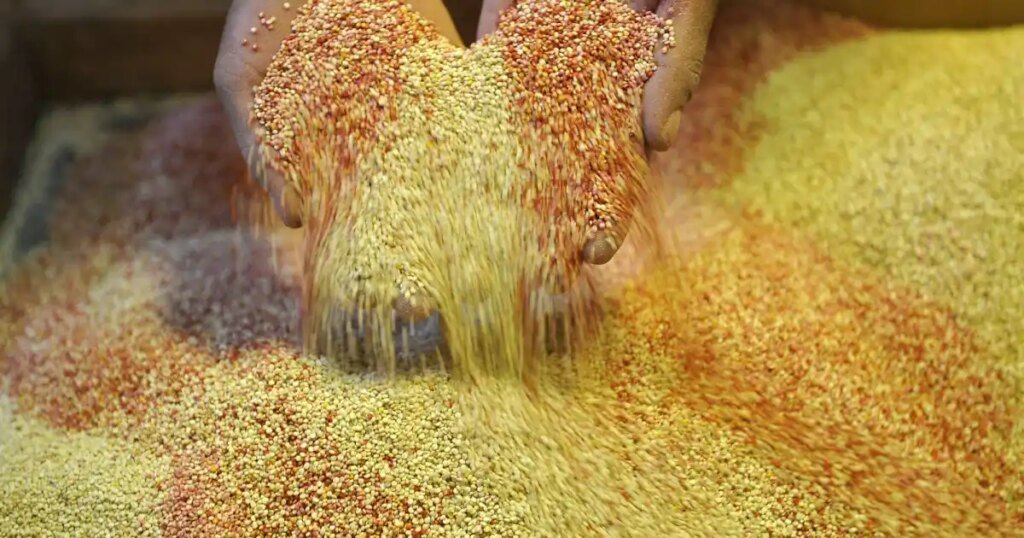
Before stocking up, it’s beneficial to grasp what distinguishes these grains from the wheat and rice that most kitchens rely on. As stated by Live Eat Learn, “Ancient grains are a category of grains (or grain-like seeds known as pseudocereals). Unlike many modern grains, which have been modified for improved growth or resilience, ancient grains have remained unchanged for millennia – they’re ancient!”
This lack of modification is the defining characteristic. While modern wheat has been extensively bred for higher yields and durability, heritage grains have retained their original form — which is why cooks and bakers consistently gravitate towards them.
The category is broader than many people realize, encompassing:
- Farro
- Spelt
- Einkorn
- Emmer (also known as farro medio)
- Barley
- Rye berries
- Millet
- Sorghum
- Teff
- Amaranth
Some are genuine cereal grains, while others, like amaranth, are technically pseudocereals — seeds that cook and eat like grains. Regardless, each brings something unique to the table.
How to Start Cooking With Heritage Grains
The toughest part about using ancient grains is often selecting your first one. Fortunately, you don’t need a specialty store or new gadgets. Brown Health University suggests starting gradually, stating: “Begin by trying just one new whole grain every few weeks. Quinoa is a fantastic choice as it’s readily available in most grocery stores. You can find it in the rice aisle, and it can be cooked on the stovetop or in an Instant Pot (pressure cooker). Microwaveable pouches of quinoa are also available and can cook in just a few minutes.”
This gradual method is essential. Each grain has distinct cooking times, textures, and flavors — farro is chewy and nutty, millet is fluffy and mild, while teff is tiny and earthy — and experimenting with one at a time helps you identify which ones you prefer to keep on hand.
Easy Ways to Use Ancient Grains at Home
Once you’ve cooked a batch of grains, the possibilities are virtually limitless. Most heritage grains integrate seamlessly into the types of meals home cooks already prepare, contributing to their growing popularity in everyday kitchens. Here are a few simple applications:
- Grain bowls featuring vegetables, a protein, and a dressing
- Warm breakfast porridge garnished with fruit and nuts
- Hearty soups and stews
- Cold salads dressed with vinaigrette
- A side dish replacing rice or pasta
While grains like farro, millet, and spelt may seem specialized, they’re actually cooked using the same straightforward techniques as other whole grains. Their versatility extends well beyond the stovetop. Niki Achitoff-Gray of Serious Eats notes: “Whole grains can be used in your baking endeavors, fermented for home-brewed alcohol, popped or puffed for snacks, rolled into flakes for breakfast cereals, and much more. However, in their most basic form, all dry grains can be cooked in water until tender (though the exact level of tenderness may vary by dish and personal preferences). If you’ve ever prepared rice, you grasp the basic concept.”

This last point is crucial. If you can prepare rice, you can also cook ancient grains — the technique is similar, even if the timing may vary.
Why Heritage Grains Are Worth the Swap
Heritage grains represent a revival rather than a fad. They have existed long before modern food systems, offering textures, flavors, and varieties that refined staples often lack. Replacing rice with farro in a weeknight bowl, or incorporating teff into your morning porridge, is a minor adjustment that expands your pantry significantly.
Begin with one grain. Cook it as you would rice. Build from there.