
Celebrating 60 Years of A Charlie Brown Christmas: A Look Back at the ‘Magic’
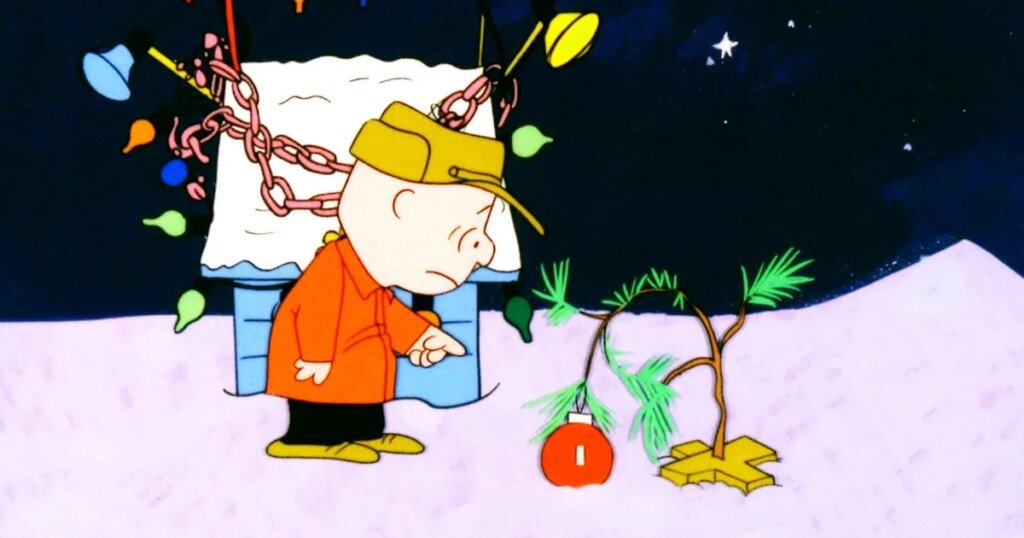
On December 9, 1965, nearly half the TV sets in the country were tuned to A Charlie Brown Christmas, where the characters from the beloved comic strip Peanuts came to (animated) life. In this half-hour special, set to a delightful jazzy soundtrack, the hapless Charlie Brown grapples with the holiday blues: “Instead of feeling happy, I feel sorta let down.” However, after finding an endearingly scraggly tree, he discovers the true meaning of Christmas — and the show has since become a cherished seasonal staple. As Benjamin L. Clark, curator of the Charles M. Schulz Museum, tells Us: “It’s a Christmas miracle unto itself.”
Scroll on for more tales behind the creation of this holiday classic:
Who Was Involved
After collaborating on an unreleased documentary titled A Boy Named Charlie Brown, producer Lee Mendelson, Peanuts creator Charles M. Schulz, and animator Bill Melendez were approached by the advertising agency McCann Erickson and Coca-Cola to create a family-friendly Christmas special. Despite exceeding their modest $76,000 budget by $20,000, the team effectively delivered under the pressure of a tight six-month deadline.
Why We Remember It
According to Mendelson’s son, Jason Mendelson, who has been part of the Peanuts universe since childhood, the show’s appeal lies in its relatability: “Like Charlie, we all experience moments where we don’t feel part of the joy, yet we are,” he shares with Us. “The beauty of it is that by the end of the show, they all come together to celebrate that tree and enjoy the magic of being together during the holidays, which is the essence of it. A Charlie Brown Christmas belongs to everyone.”
Key Details
The iconic songs “Christmas Time Is Here” and other memorable tracks by the Vince Guaraldi Trio were not sung by the young voice cast but by a choir of children from St. Paul’s Episcopal Church in San Rafael, California. “We got $5 and some ice cream,” recalls David Willat, who was 11 at the time, “but we got to be part of a show that has touched so many lives.” Guaraldi preferred a less polished sound to give the impression of the Peanuts gang singing on a street corner, he shares: “The kids had to sound unprofessional on purpose — and we succeeded.” The soundtrack, recently re-released on a unique Zoetrope vinyl album that “animates” as the record spins, has become the best-selling Christmas soundtrack of all time.
A New Perspective
The production faced numerous “good grief!” obstacles, making its enduring success remarkable. The skepticism began with the first cut shown to executives: “It’s children talking about their feelings, which was unheard of. Sincerity is the name of the game,” Jason recalls. Executives worried about the lack of action, the absence of a laugh track, and Linus’s Biblical reference. Compounding the issues, Schulz’s name was misspelled as “Schultz” in the credits! CBS proceeded with the special only because advertisements were already paid for and the listing had appeared in TV Guide, although doubts about the three-special contract began to surface. Yet, the project had its champions: Jason reminisces that animator Bill Littlejohn declared at a Los Angeles screening, “‘This show’s gonna run for 100 years!’” (We’re already 6/10 of the way there!)
Where Are They Now?
Charlie Brown, Snoopy, Linus, Lucy, and the rest continue to expand the Peanuts TV library (including August’s A Summer Musical) on Apple TV, which also features A Charlie Brown Christmas. If you don’t have a subscription, you can stream it for free on December 13–14. (Jason Mendelson has recently shared more behind-the-scenes insights about the special on the must-listen podcast “You Don’t Know Peanuts.”) Meanwhile, in Santa Rosa, California, the Schulz Museum is hosting an anniversary exhibit featuring animation cells, original script pages, and charming thank you notes sent to sponsor Coca-Cola. “We have wonderful fan mail that visitors can browse through — it’s so immediate,” curator Clark remarks. “People can read the heartwarming letters and postcards expressing joy and happiness from fans.”