
Food at the 2026 Winter Olympics: Dining Choices for Athletes in the Olympic Village
The world’s top athletes have gathered in Italy for the 2026 Winter Olympics, with various Villages striving to provide them with the necessary fuel and nutrition to aim for gold.
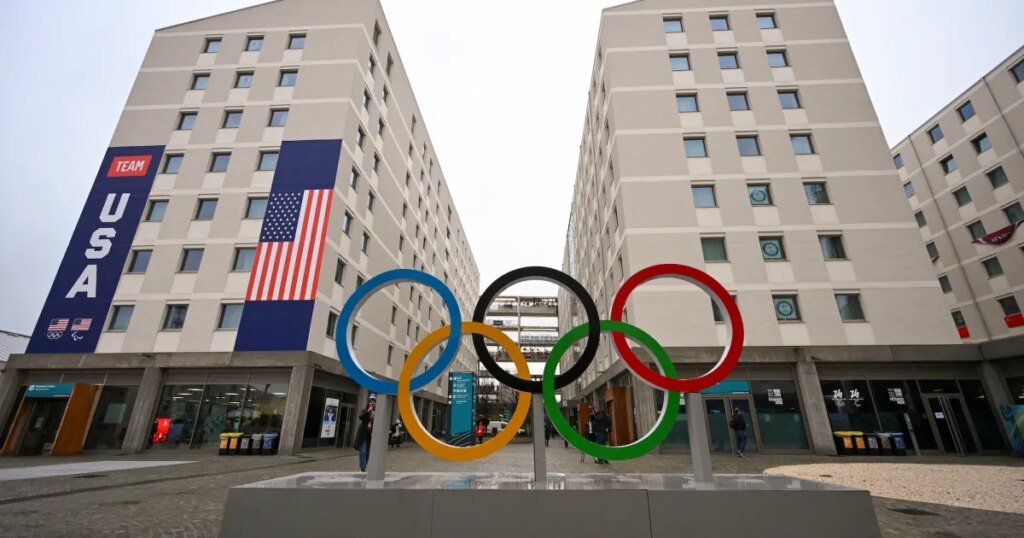
Competitors at the 2026 Winter Games are distributed across six villages, with the primary hubs in Milan and Cortina d’Ampezzo accommodating approximately 1,500 and 1,400 residents, respectively.
According to Elisabetta Salvadori, head of food and beverage at the Olympics, up to 4,500 meals will be served daily at the Milan Village, as reported by Reuters on Tuesday, February 3. The Cortina village will provide up to 4,000 meals each day.
Salvadori mentioned that athletes in the Olympic villages have a variety of choices but typically prefer simple pasta, basic sauces, and proteins.
“Of course, there are additional culinary options like lasagna, gnocchi, and desserts,” Salvadori stated.
The main Olympic Villages feature dining halls with chefs at six different stations, along with fruit, bread, and a salad bar at various other stands.
The cuisine at the 2026 Games carries an Italian essence, with images from the food halls displaying a variety of pastas and pizzas, in addition to items like grilled cheese with smoked scamorza, plain turkey breast, and salmon steak.
PIERO CRUCIATTI / AFP
Meals are accessible 24 hours a day, with breakfast, lunch, and dinner served in rotation.
“It may not be a Michelin-star establishment, but I find it quite satisfying,” remarked Dutch speed skater Jenning de Boo to Reuters. “I had pasta, a salad, and some chicken. Everything an athlete requires is present.”
Team USA figure skating standout Ilia Malinin shared, “I find it enjoyable. It’s comfortable for me.”
Jess Perlmutter, a Team USA snowboarder, expressed her excitement about her early dining experiences in the Village.
“I’ve had the best pasta here, and last night I enjoyed gelato. It’s been an amazing experience,” she mentioned during a press conference on Tuesday.
Latvian speed skater Reinis Berzins commented to Reuters, “There are carbs, protein, and a plethora of snacks available throughout the day. It appears that food won’t be a problem at this Olympics.”
“So far, we haven’t encountered any significant issues,” Salvadori remarked, “just a few minor concerns you’d expect at the outset. Someone requested oatmeal in the morning, and it was already available.”
The Olympics in Italy have commenced on a much more positive note compared to the 2024 Summer Games in Paris, where the food received criticism from many athletes.
“There seems to be some misconceptions about what athletes consume,” remarked Team USA rugby player Ilona Maher via TikTok.
Following Team USA women’s gymnastics’ gold victory in the team event in Paris, athletes were questioned about the food in the Village.
“Here’s the thing,” Simone Biles told reporters. “I doubt we’re having authentic French cuisine in the Village like you might enjoy outside. For athletes, it’s generally healthier.”
Biles’ teammate Hezly Rivera added, “I don’t think it’s very good, at least what we’re offered in the dining hall. I believe French cuisine is great, but what we’re served there isn’t the best. Nonetheless, it does suffice.”