
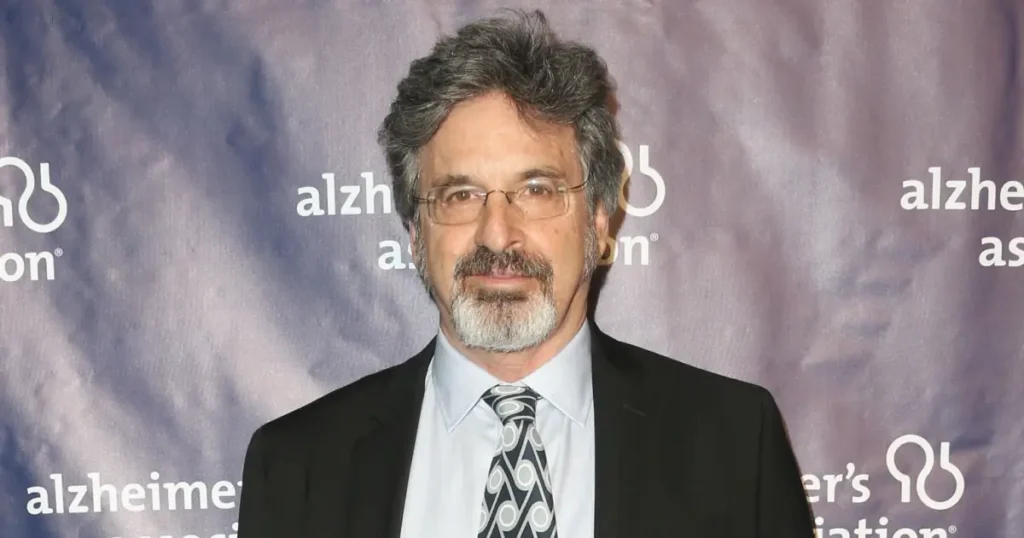
Understanding Anoxic Brain Injury: The Explanation Behind Robert Carradine’s Cause of Death
The Lizzie McGuire star Robert Carradine passed away at the age of 71 following a long-standing battle with Bipolar Disorder.
His family announced his death in a statement released on Monday, February 23, sharing with Deadline, “It is with profound sadness that we must inform you that our beloved father, grandfather, uncle, and brother Robert Carradine has left us.”
The statement added: “In a world that can often feel bleak, Bobby was a guiding light to all who knew him. We are heartbroken by the loss of this beautiful soul and wish to honor Bobby’s courageous fight against nearly two decades of bipolar disorder. We hope his journey encourages conversations to break the stigma surrounding mental illness.”
A few days later, the Los Angeles Deputy Medical Examiner determined that Carradine’s death was officially classified as suicide, as reported by documents obtained by Us Weekly.
The medical examiner indicated that the cause was “sequelae of anoxic brain injury,” resulting from the brain lacking sufficient oxygen.
Scroll down for more information about an anoxic brain injury and its causes:
What Is an Anoxic Brain Injury?
Anoxic and hypoxic brain injuries are both “types of acquired brain injury that occur when brain cells fail to receive adequate oxygen,” according to the Brain Injury Association of America. These injuries share similarities but have distinct causes.
What Is the Difference Between Anoxic and Hypoxic Brain Injuries?
An anoxic brain injury arises when the brain “receives no oxygen at all,” according to the Shepherd Center, which explains that without oxygen, “brain cells start dying after approximately four minutes,” potentially resulting in significant damage or death.
A hypoxic brain injury, on the other hand, occurs when there is “restricted oxygen flow to the brain, leading to the gradual death and impairment of brain cells,” according to the Shepherd Center.
What Can Cause an Anoxic Brain Injury?
Common causes of hypoxic or anoxic brain injuries include near-drowning, electrical shock, heart attacks, choking, carbon monoxide poisoning, suffocation, smoke inhalation, strangulation, or drug overdoses.
As per the Shepherd Center, different types of anoxic brain injuries are categorized by their causes. For instance, hypoxic-ischemic injury or “stagnant anoxia” occurs when “oxygen-carrying blood cannot reach the brain, usually due to conditions like cardiac arrest or arrhythmia.”
Anemic anoxia happens when the blood cannot “carry sufficient oxygen” or when there is “insufficient blood in the body to fulfill the brain’s requirements,” often caused by severe anemia or blood loss.
Toxic anoxia results from “exposure to chemicals or toxins that hinder the brain from receiving oxygen from blood cells,” such as in cases of carbon monoxide poisoning.
Additionally, anoxic anoxia is due to “lack of oxygen in the air,” often resulting from suffocation or being in high-altitude regions without adequate oxygen supply.
What Are Symptoms of an Anoxic Brain Injury?
Short-term symptoms of hypoxic and anoxic injuries can vary. The Brain Injury Association of America lists the most prevalent symptoms as: difficulty concentrating, poor coordination, dizziness, headaches, confusion, loss of consciousness, light-headedness, and bluish skin.
Long-term symptoms may include tremors, memory issues, speech problems, fatigue, low blood pressure, increased irritability, cortical blindness, and motor function disturbances.
Are There Treatments for an Anoxic Brain Injury?
An anoxic brain injury is considered an “emergency condition” and requires prompt treatment, according to the Prisma Health Children’s Hospital. The primary aim is to restore oxygen to the brain before substantial damage occurs.
The hospital observes that “basic life-support systems” that might be employed include mechanical ventilation, fluids, blood products, medications to stabilize blood pressure and heart rate, and drugs to “control seizures.”
The Brain Injury Association of America commented that no two brain injury patients will exhibit the same symptoms or recovery paths, leading to varied treatment plans.
“Recovery is achievable for many individuals who experience a hypoxic or anoxic brain injury,” says the organization, adding that a physician may suggest “a rehabilitation program or specific medications” based on the extent of the damage.