
Prebiotics vs. Probiotics: Nourishing Your Gut for Better Health
Strolling through any grocery store or pharmacy reveals a myriad of shelves filled with probiotic capsules, gut health gummies, and powdered supplements that claim to enhance digestion and foster a healthier microbiome.
However, many individuals purchasing these products lack a clear understanding of the distinction between prebiotics and probiotics. Even those who do grasp the difference remain uncertain if these pricey supplements yield any actual benefits.
Experts in gut health suggest that the more effective solution for addressing gut imbalances may be less thrilling: opting for better food choices. Here are the essentials you should know.
Prebiotic vs. Probiotic: What’s the Difference?
Although these terms may sound alike, they serve distinct functions within the gut.
Your digestive system is home to trillions of microorganisms, primarily residing in the large intestine. Some contribute positively to digestion and overall health, while others can cause issues when their growth is unregulated.
The goal isn’t to eliminate bacteria entirely; rather, it’s to foster an environment where beneficial microbes can flourish. This is where prebiotics and probiotics come into play.
Probiotics Add Beneficial Bacteria
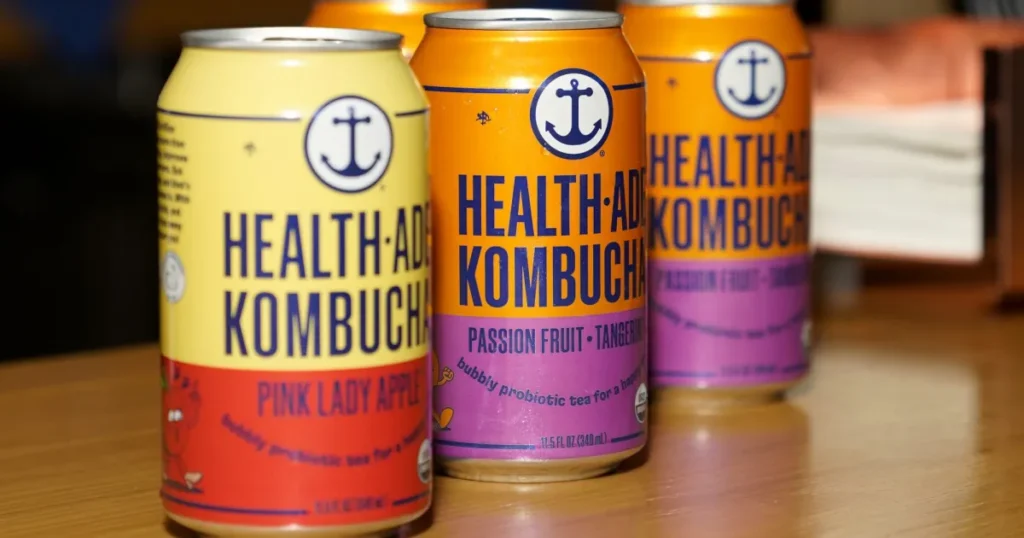
Probiotics are live microorganisms that increase the presence of “good” bacteria in your digestive tract. Commonly found in fermented foods like yogurt, kefir, kimchi, sauerkraut, kombucha, miso, tempeh, cottage cheese, buttermilk, and fermented pickles, probiotics can be seen as new workers contributing to your gut ecosystem.
Prebiotics Feed the Bacteria Already Present
In contrast, prebiotics are not bacteria. Rather, they consist of types of dietary fiber that your body cannot fully digest. Instead, gut microbes break these down and utilize them as nourishment. Without adequate prebiotic fiber, beneficial gut bacteria struggle to thrive.
Foods rich in prebiotics include garlic, onions, bananas, apples, oats, asparagus, beans, broccoli, cabbage, chia seeds, flax seeds, whole grains, avocados, leeks, and chicory root.
Why Eating a Well-Balanced Diet Matters for Gut Health
Experts universally agree that the most effective way to enhance gut health is through diet. Unfortunately, most people lack the necessary nutrients in their daily meals.
“Americans, unfortunately, don’t always maintain a healthy lifestyle,” microbiome specialist Gail Cresci, PhD, RD, stated in an interview with the Cleveland Clinic. “Individuals often fall short of the 25 to 35 grams of fiber that gut bacteria need for survival and reproduction.”
Furthermore, consuming just one yogurt or a single fiber supplement won’t magically rejuvenate your microbiome. Gut bacteria are diverse, and different microbes require different nutrients to thrive.
The University of Texas MD Anderson Cancer Center notes that various prebiotic foods nourish different microorganisms, while diverse probiotic foods introduce distinct bacterial strains to your digestive system.
For this reason, many experts recommend prioritizing a varied diet rich in plant-based and fermented foods over the pursuit of individual “superfoods.” Your gut, much like the rest of your diet, benefits from diversity.
Why Prebiotic and Probiotic Supplements Are Controversial
The market for gut health supplements is thriving, yet the scientific backing for many products remains unclear.
Researchers are still piecing together information on which bacterial strains benefit specific individuals, the appropriate dosage, and whether the bacteria in these supplements survive long enough in the bottle (and within the digestive tract) to make any impact.
This uncertainty fuels skepticism among some experts regarding the marketing claims associated with probiotics.
“Probiotics are one of the greatest marketing ploys because their effectiveness is uncertain — you’re simply hoping for results,” Suzanne Devkota, PhD, director of the Cedars-Sinai Human Microbiome Research Institute, remarked.
There’s also the matter of regulation. Unlike medications, probiotic and prebiotic supplements are not governed by the FDA in the same way, which can lead to variability in quality and effectiveness among different products.
Moreover, as everyone’s microbiome is unique, a supplement that benefits one person may have little to no effect on another.
Why Experts Advocate for Food First
For most healthy individuals, nutrition specialists argue that improving diet is likely more advantageous than chasing the latest supplement trends.
Fiber-dense foods naturally nurture beneficial gut bacteria, while fermented options can simultaneously introduce additional helpful microbes.
“Save your money and focus on healthy eating,” advised Dr. Ali Rezaie, medical director of GI Motility at Cedars-Sinai. “I wish there were a quick fix to achieve a six-pack without exercise, but that’s not realistic.”
This doesn’t mean that supplements are never beneficial. Some individuals may find them useful in particular circumstances, especially after illnesses or antibiotic treatments. However, experts typically caution against viewing probiotics as a guaranteed solution.
What Happens When Gut Bacteria Become Unbalanced?
Your body typically maintains a natural balance of gut bacteria. However, disruptions can lead to a condition known as dysbiosis, which occurs when harmful bacteria outnumber beneficial ones in the digestive tract.
Common triggers include high-sugar and processed food diets, insufficient fiber intake, antibiotic usage, illness or infection, chronic stress, and poor sleep patterns.
Symptoms indicative of an unhealthy gut imbalance may encompass bloating, gas, abdominal discomfort, nausea, and alterations in bowel habits, according to UMass Memorial Health.
In such instances, probiotics and prebiotics can assist in restoring balance by replenishing beneficial microbes and supplying essential nutrients. Nonetheless, it’s crucial to consult your doctor before venturing down the supplement aisle.

What’s the Best Way to Support Gut Health?
If you aim to enhance your gut health, experts assert that fundamental principles are key.
This includes increasing your intake of fiber-rich plant foods, incorporating fermented foods into your meals, minimizing highly processed foods, managing stress effectively, prioritizing sleep, and avoiding unnecessary or excessive antibiotics whenever feasible.
In summary, gut health is rarely about discovering a single miracle supplement. It involves consistently fostering an environment where beneficial bacteria can thrive.