
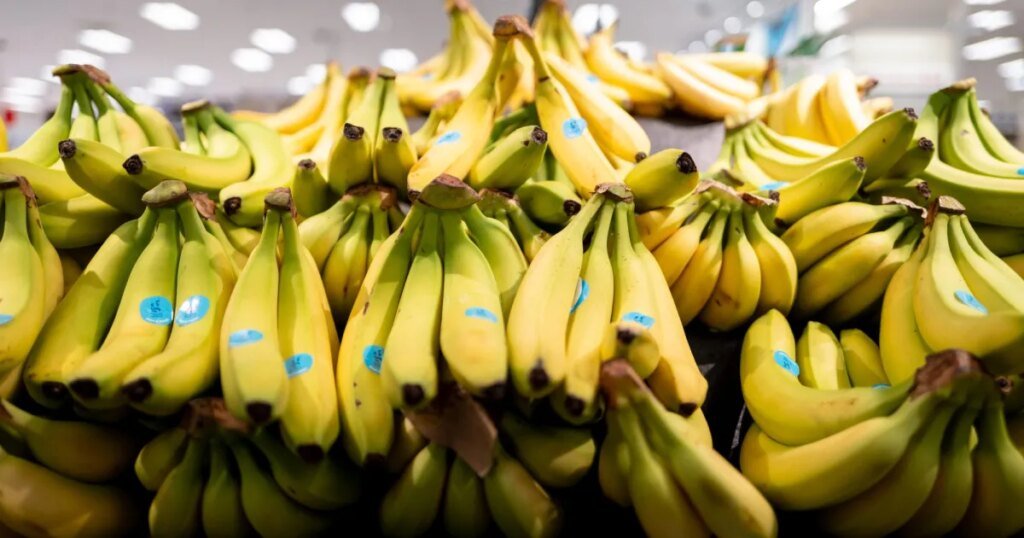
A Banana Could Diminish 84% of Your Smoothie’s Nutritional Value
Your nutritious morning smoothie filled with berries and a banana might be counterproductive. Recent research emphasizes that some seemingly healthy meals could inhibit the nutrients they’re meant to provide.
The notable case here is the blend of bananas and berries, but coffee, calcium, and even spinach also come into play regarding what scientists refer to as nutrient bioavailability—the proportion of a nutrient your body can effectively utilize. Understanding how food timing and pairing affect nutrient absorption is more crucial to daily eating than many realize.
Why Bananas and Berries Are a Surprisingly Bad Combination
A 2023 study in Food & Function conducted by researchers at UC Davis and the University of Reading found that including a banana in a berry smoothie diminished flavanol absorption by 84 percent compared to a smoothie made solely with berries. This study received renewed mainstream attention through UC Davis press releases in October 2025 and May 2026.
The offender is an enzyme called polyphenol oxidase, or PPO, which is abundant in bananas. PPO degrades flavanols both during blending and during stomach digestion.
Flavanols, which are found in berries, cocoa, and grapes, provide heart and brain protection. Lead author Javier Ottaviani mentioned a clinical trial indicating that 500 milligrams of flavanols daily lowered cardiovascular deaths, including heart attacks and strokes, by 27 percent. The Academy of Nutrition and Dietetics issued its first flavanol recommendation in 2022, recommending 400 to 600 milligrams a day for optimal cardiometabolic health.
It’s essential to note that the banana study was funded by Mars Inc., known for its flavanol supplement. Independent follow-up studies have corroborated the underlying mechanism.
Other high-PPO foods that produce similar effects include apples, peaches, avocados, mangoes, eggplant, potatoes, and mushrooms. The solution is straightforward: replace the banana with pineapple, oranges, or mango in smoothies centered around berries or cocoa.
Your Morning Coffee Routine May Be Robbing You of Iron and Vitamin D
The routine of coffee with breakfast presents a comparable issue. A 2023 Swiss study revealed that polyphenols and tannins in coffee reduced non-heme iron absorption by 54 to 66 percent in iron-deficient women when consumed together. Waiting around an hour after drinking coffee negated the effect completely.
Calcium poses another challenge as it directly competes with iron for absorption, potentially reducing iron uptake by up to 50 percent. To address this, separate calcium-rich foods or supplements from iron-rich meals by at least two hours—an easy adjustment most people are unaware of.
Coffee might also be subtly undermining your vitamin D levels. A 2021 cross-sectional analysis in the International Journal for Vitamin and Nutrition Research, utilizing NHANES data, found that higher caffeine intake was linked to lower serum vitamin D levels. Additional cell studies indicate that caffeine may reduce vitamin D receptor expression as a possible explanation.
Taking a vitamin D supplement with coffee instead of alongside a fat-containing meal exacerbates the issue because vitamins A, D, E, and K require dietary fat for proper absorption.
The Food Combinations That Actually Boost What Your Body Absorbs
Not all food pairings create challenges; some significantly enhance nutrient absorption.

Vitamin C acts as a potent ally for iron absorption. Just 100 milligrams can double non-heme iron absorption by converting it into a more soluble form. Incorporating citrus, bell peppers, or tomatoes with an iron-rich meal is one of the most evidence-supported strategies in nutrition.
Phytates in whole grains and oxalates in spinach inhibit the absorption of iron and zinc, but soaking, fermenting, or cooking these foods can significantly lower their phytate content.
The broader takeaway isn’t that smoothies, coffee, or spinach are inherently bad; rather, timing and combinations are just as crucial as the ingredients themselves. A few simple adjustments—a berry smoothie without the banana, coffee consumed an hour after breakfast, and a vitamin D capsule taken with a fat-containing meal—can significantly enhance how much nutrition your body uses without altering anything on your grocery list.