6 Foods That Can Worsen High Cholesterol When Eaten Regularly
Elevated cholesterol levels affect millions of Americans, and the recent federal dietary guidelines have reignited discussions about which foods are the most harmful. Cardiologists and nutritionists have identified six common high-cholesterol foods that significantly raise LDL levels, with red meat being just one of them.
The 2025-2030 Dietary Guidelines for Americans were published recently, prompting the American Heart Association to express general support for the guidelines while voicing concerns about the emphasis on certain animal products and the interpretation of saturated fat advice.
“Protein is a vital component of a balanced diet, and we call for further scientific investigation into both the ideal protein intake and the healthiest protein sources,” the organization remarked. “Until such research is available, we recommend that consumers focus on plant-based proteins, seafood, and lean meats while limiting high-fat animal products such as red meat, butter, lard, and tallow, which are associated with increased cardiovascular risk.”
What Foods Should You Avoid if You Have High Cholesterol?
The six high-cholesterol foods commonly highlighted by experts include red meat, processed meats, fried foods, baked goods, fast food, and refined carbohydrates.
The Connection Between Red Meat and High Cholesterol
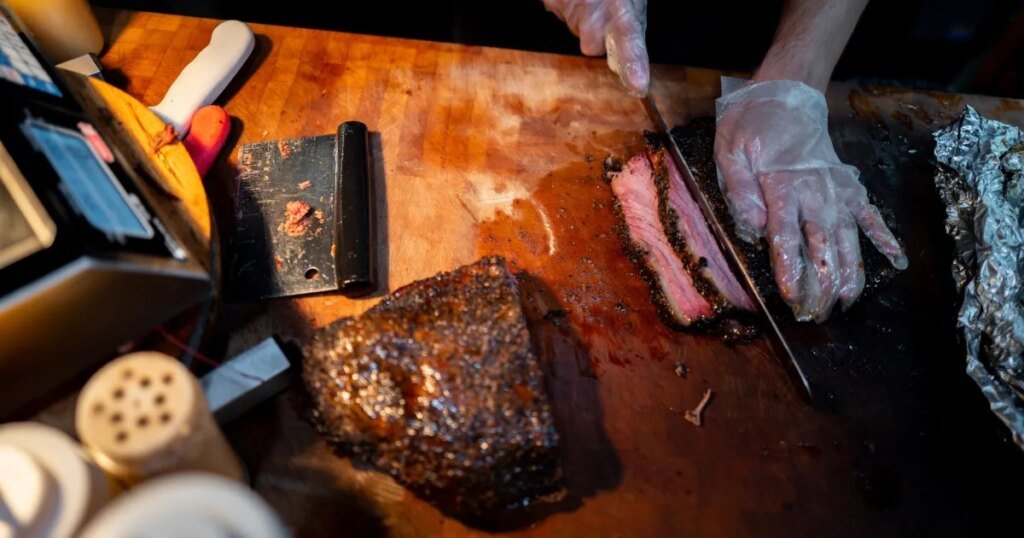
Red meat is frequently found at the top of most cardiologists’ avoid lists due to its high saturated fat content and its direct impact on LDL levels.
“Regular consumption of red and processed meats may elevate LDL and apoB cholesterol, which are the types that can lead to plaque formation, adversely affecting overall heart health,” Michelle Routhenstein, M.S., RD, CDCES, informed EatingWell. Options like steak, ribs, and ground beef contain significant saturated fat, whereas better alternatives include 90% lean ground beef and leaner cuts such as sirloin, tenderloin, or flank steak. Choices like pork loin, pork tenderloin, and skinless poultry provide lower-fat animal protein options.
Are Processed Meats Bad Foods for High Cholesterol?
Processed meats, including bacon, salami, and sausages, may pose additional risks as they combine saturated fats with sodium and nitrite preservatives that can strain blood vessels.
“The primary danger lies in the saturated fat found in red and processed meats, which raises LDL cholesterol levels. Elevated LDL leads to plaque buildup in veins throughout the body, contributing to heart disease when this occurs in arteries supplying blood to the heart,” as stated by the Physicians Committee for Responsible Medicine. They also note that the salt used in preservation elevates blood pressure, which is another significant risk factor for cardiovascular disease.
Why Are Fried Foods Bad for High Cholesterol?
Fried foods are considered some of the worst options for cholesterol due to the high levels of saturated fat in frying oils, and reused oil can develop trans fats that further elevate LDL levels.
“Foods that have been deep-fried, like chicken wings, mozzarella sticks, and onion rings, rank poorly regarding cholesterol. Frying increases both the calorie count and energy density of foods,” according to Harvard Health. If you enjoy the texture of fried food, consider using an air fryer with a light splash of olive oil, or bake items like potato wedges and chicken at high temperatures until golden brown.”
What Baked Goods Raise High Cholesterol?
Baked goods are significant contributors to heart disease risk, experts warn.
“Pastries, pies, biscuits, and cakes are loaded with saturated fats due to added butter or palm oil. Meaty or cheesy fillings can further exacerbate this. Opting for pies with only a top crust, whether sweet or savory, can reduce saturated fat by up to 40%,” advises the British Heart Foundation.
Dietitian Julia Zumpano, RD, LD, highlighted to Cleveland Clinic that many store-bought desserts are packed with processed sugars like high fructose corn syrup and saturated or trans fats like vegetable shortening.
Does Fast Food Cause High Cholesterol?
Items like bacon cheeseburgers, fried chicken sandwiches, and sausage, egg, and cheese breakfast sandwiches pile on saturated fats, sodium, and simple carbohydrates—a triple threat for cholesterol and blood pressure.
“If individuals regularly consume fast food or items from convenience stores, or drink a lot of soda, I usually start my dietary advice there, as these foods correlate strongly with heart disease,” noted Jeremy Van’t Hof, MD, a preventative cardiologist at M Health Fairview and an assistant professor at the University of Minnesota Medical School. He advises keeping daily sodium intake below 2,000 mg. “Sodium can raise blood pressure, which is one of the most significant contributors to heart disease,” Van’t Hof explained.
Do Refined Carbs Like Pizza Raise Cholesterol?
Excessive consumption of refined carbohydrates can elevate your blood triglyceride levels.
“Simple sugars like white bread can actually trigger our livers to produce additional LDL particles while simultaneously lowering HDL cholesterol levels in our blood,” shared Gabrielle Gambino, MS, RD, CDN, CNSC, a Senior Clinical Dietitian on the Advanced Heart Failure Service at NewYork-Presbyterian/Weill Cornell Medical Center, with The Healthy.

NKH Health recommends limiting highly processed and refined carbohydrates such as white bread, sugary cereals, and crackers, consuming them in small to moderate portions.
What Foods Help Lower High Cholesterol Naturally?
Plant-based foods are the simplest solution since they contain virtually no cholesterol.
“Plants essentially do not produce cholesterol,” noted Romit Bhattacharya, MD, a Mass General Brigham cardiologist. “If you’re concerned about cholesterol levels, incorporating more plants will be beneficial. Additionally, high fiber content in plants is key. It aids digestion, supports detoxification, nourishes a healthy gut microbiome, and can reduce cholesterol absorption into the bloodstream.” Bhattacharya pointed out that heart attack and stroke remain prevalent issues tied to high cholesterol, with cardiovascular disease being the leading cause of death globally.