
6 Food Categories to Review When Managing High Cholesterol
Managing high cholesterol is about the overall pattern of eating, not a list of forbidden foods. Saturated fat can raise LDL cholesterol, and replacing it with unsaturated fat is an important part of heart-health guidance. Portion size, frequency and what replaces a food all matter.
Six categories worth checking
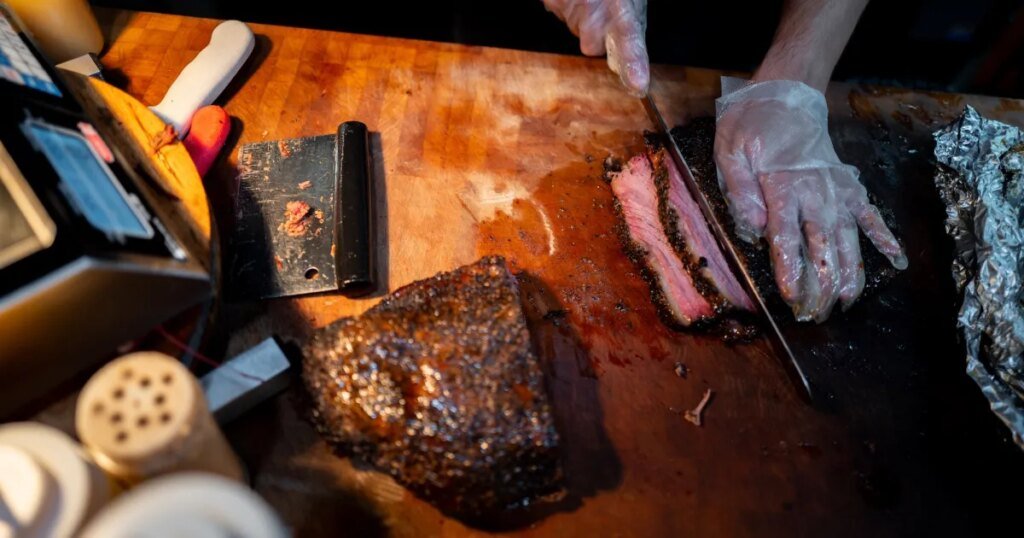
- Fatty cuts of meat. Ribs, heavily marbled steaks and higher-fat ground meats can contribute substantial saturated fat. Try a leaner cut, a smaller portion, beans or lentils as an alternative in familiar dishes.
- Processed meats. Bacon, sausage and some deli meats can add saturated fat and sodium. Compare labels and consider unprocessed protein or a bean-based filling for some meals.
- Butter, cream and full-fat dairy. Review how often these enter cooking, drinks and sauces, not only what appears on the plate. Depending on the recipe, a plant oil or lower-fat dairy option may work.
- Pastries and rich baked goods. Butter, palm oil or other fats can make portions significant sources of saturated fat. Compare ingredients and portion sizes rather than assuming every packaged or homemade product is equivalent.
- Fried and fast-food combinations. The concern depends on the cooking fat and the whole order. A meal combining a fried main, cheese, processed meat and a creamy sauce can add several sources at once.
- Coconut- and palm-fat products. Plant-based does not automatically mean low in saturated fat. Check coconut oil, coconut cream and some dairy substitutes or snacks.
What about bread, rice and other carbohydrates?
Refined carbohydrates are not all high-cholesterol foods, and they should not be described as if they have the same effect as saturated fat. Diets high in added sugars or refined carbohydrates can matter for triglycerides and overall metabolic health, but those are not identical to LDL cholesterol. Whole grains, beans and other fiber-containing foods can fit a heart-healthy pattern.
Make substitutions, not just subtractions
Replace a butter-heavy sauce with an olive-oil-based preparation, or use lentils for part of the meat in a casserole. Choose fruit and a handful of unsalted nuts for some snacks if appropriate for your diet. A swap is less helpful when a removed food is replaced with something nutritionally similar in a larger portion.
Use your results to guide the next step
Blood cholesterol is also affected by genetics and medical factors. Food changes do not replace prescribed medication or follow-up testing. Ask your clinician which part of your lipid panel is elevated and what plan fits your overall cardiovascular risk. A registered dietitian can help adapt changes to culture, cost and cooking habits.
This article provides general information, not a personal cholesterol treatment plan. No single meal determines your long-term result, and no food can guarantee that medication will be unnecessary.
Sources and further reading
Related reading: varied protein choices and cooking with heritage grains.