Protein Sources Beyond Chicken: Practical Swaps for Everyday Meals
Chicken is one convenient protein source, not a requirement. A more varied routine can include animal foods, plant foods or a mixture, depending on your preferences, budget and needs. The useful question is not whether every alternative matches a chicken breast gram for gram, but how it fits into a complete meal.
Start with the main ingredient
- Fish and seafood: salmon, trout, sardines and other options can anchor a dinner or sandwich. Compare canned products for serving size and sodium. People who are pregnant or feeding young children should follow specific fish and mercury guidance.
- Eggs: use them in an omelet, a vegetable scramble or a cooked-egg sandwich. Pair them with other foods rather than treating a single egg as a full dinner.
- Dairy: plain yogurt, cottage cheese or milk can contribute protein at breakfast and snack time. Compare labels because products vary.
- Lean turkey or other meats: these can replace chicken in familiar recipes, but processed deli products differ from unprocessed cuts in sodium and other ingredients.
Make plant proteins the center, not decoration
Beans, lentils, tofu, tempeh and edamame can take the main role in a meal. Try lentil tomato sauce over pasta, black beans in tacos, tofu with rice and vegetables, or chickpeas in a substantial salad. Texture changes matter: crisp tofu, soft lentils and whole chickpeas will behave differently in the same recipe.
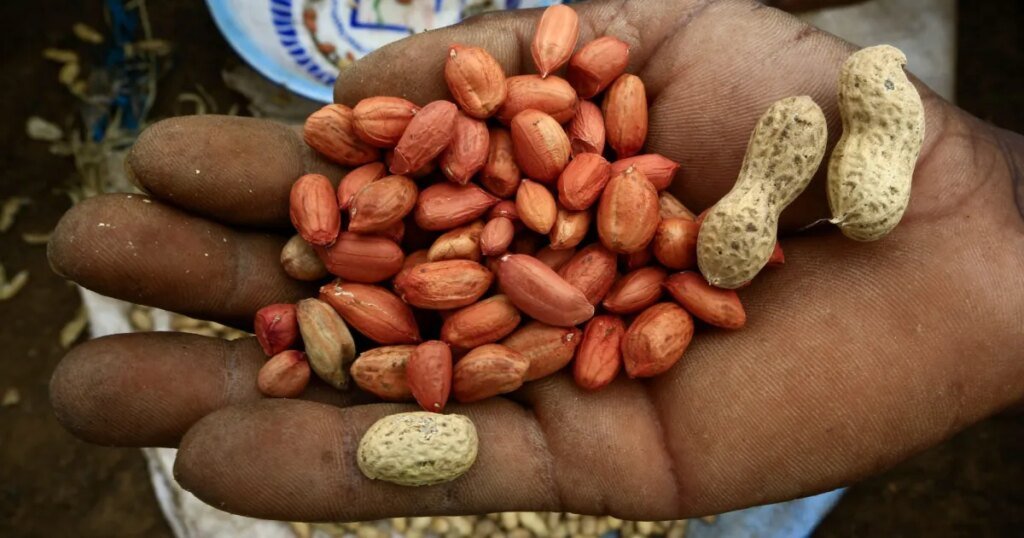
Nuts, seeds and nut butters contribute protein, but a sprinkle is not equivalent to a large serving of beans or tofu. Grains contribute too, though quinoa or oats do not need to carry the entire meal. Combine foods you enjoy rather than forcing every item to act like a meat substitute.
Use labels to compare fairly
Check protein per portion you will actually eat, not only per 100 grams. Cooked and dry weights are not interchangeable. A small scoop of dry lentils changes weight after cooking, and firm tofu differs from silken tofu. If comparing products, use the same serving basis and look at fiber, sodium and saturated fat as well.
Build a flexible weekly rotation
- Pick two familiar animal or plant proteins and one less familiar option.
- Plan a different preparation for leftovers: roasted fish in a salad, beans in soup, tofu in a rice bowl.
- Keep a shelf-stable backup such as canned beans, lentils or fish if those fit your diet.
- Use nuts or seeds as additions rather than assuming a garnish meets your whole target.
Protein needs are individual, especially with kidney disease, pregnancy, growth or intensive training. A registered dietitian can help establish a suitable target. For most shopping decisions, a varied food pattern and realistic portions are more useful than chasing the highest number on a package.
Sources and further reading
Related reading: quinoa bowl ideas and increasing fiber gradually.