
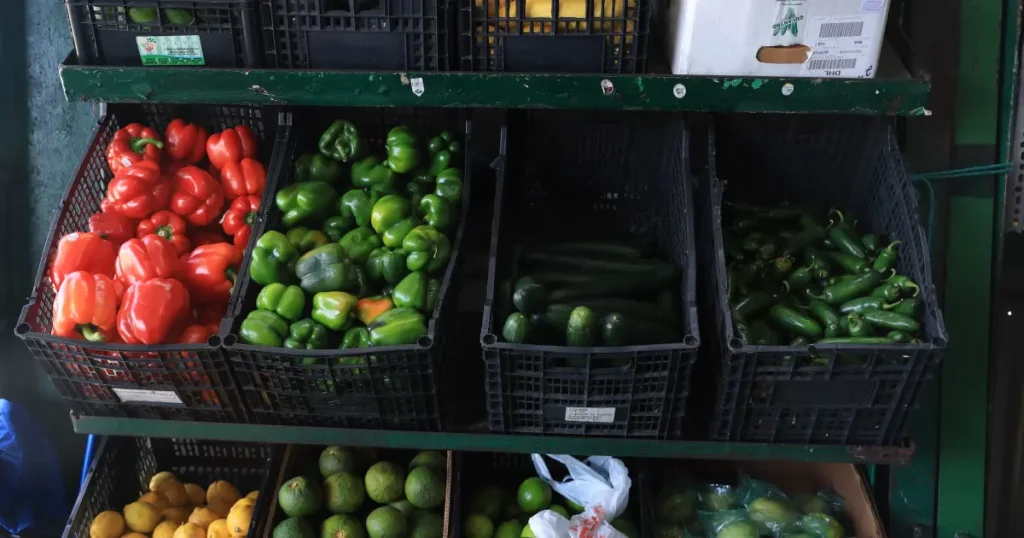
Tips for Shopping at a Farmers Market and Making the Most of Your Purchases
A weekly trip to the farmers market may seem straightforward, but it can quickly become complicated when kale wilts by Wednesday and strawberries mold by Thursday. If you’ve ever wondered how to effectively shop at a farmers market and make the most of what you bring home, the key lies not in willpower but in establishing a sustainable routine.
Nisha Vora, New York Times bestselling author of Big Vegan Flavor, along with farmers market meal planner Brittany Chang, shared their insights with The Guardian. Their strategies, combined with food safety advice from the FDA, can help create a lasting routine.
Why the Farmers Market Habit Is Worth Building
Regular visits to the market not only bring seasonal produce into your kitchen but also support local farmers. The true benefit, however, comes after making your purchases. Without an actionable plan, that vibrant bunch of kale may wind up in the compost bin.
Select a day that aligns with your market’s schedule, and attach the trip to an existing activity you enjoy, such as stopping for coffee. This simple adjustment enhances consistency more than any rule about increasing vegetable intake.
When to Arrive For the Best Selection or the Best Deals
Your timing will influence what you end up taking home. Arriving early means more abundant stalls and the best choice. Alternatively, visiting later can yield lower prices as vendors aim to clear their stocks.
“Going later in the day means they are trying to sell what’s left. They’ll be eager to part with items they haven’t sold,” Vora explained to The Guardian.
Choose a strategy that aligns with your goals for the trip and plan accordingly.
How to Shop with Flexible Recipe Formats
Strict grocery lists can fall apart when you spot something enticing at another stall. Instead, approach with a flexible mindset.
Think in terms of categories rather than specific items. For example, decide on two vegetables for a grain bowl, one for roasting, and two fruits for yogurt. This structure helps manage impulse buys while allowing you to select the freshest options.
Allow yourself one unplanned item each week. This keeps your shopping experience enjoyable and encourages versatility in cooking without overwhelming your fridge with rare finds that spoil quickly.
“I get excited when I spot unique pepper varieties in the fall or fiddlehead ferns in late spring. I understand this may sound strange to those who don’t eat seasonally, but for me, it has become a creative hobby that fills me with gratitude for the food I enjoy,” Chang shared with The Guardian.
How to Prep and Store Your Haul So It Lasts
The success of your farmers market visits often hinges on proper preparation. Be sure to wash all produce thoroughly, dry it well, and store it appropriately.
According to the FDA, “Wash all produce thoroughly under running water before consuming, whether it’s homegrown or purchased.” The agency cautions against washing fruits and vegetables with soap or commercial rinses, as they can seep into the porous surfaces and cause illness.

Different items require different storage techniques. Leafy greens stay fresh longer in an airtight container with a paper towel to absorb moisture. Carrots and celery remain crunchy when kept in water. Tomatoes should be stored at room temperature, away from direct sunlight, unless they are very ripe; never refrigerate them. If you foresee not consuming something within a few days, consider freezing it.
What to Bring and What to Ask the Vendors
A few simple habits can enhance your routine:
- Always bring cash. While many vendors accept electronic payments, some still prefer cash transactions.
- Use reusable bags. Vendors often avoid single-use bags for eco-friendly reasons.
- Engage with vendors. They can provide insights on what’s at its peak and tips on how to prepare unique items.
The last point might be the most overlooked aspect of the experience. Those who cultivate the food are typically enthusiastic about sharing their knowledge, so don’t hesitate to initiate a conversation.