
Understanding Farm to Table: Bridging the Gap Between Farms, Food, and People
Walk into a restaurant today, and you’re likely to encounter a menu resembling a detailed map: it may list the dairy that provided the cheese, the ranch from which the steak comes, or the nearby farm that cultivated the tomatoes. This transformation didn’t occur by chance. The farm-to-table movement has significantly altered how restaurants obtain food, how chefs craft their menus, and how diners perceive what’s on their plates — its impact on grocery store aisles, farmers’ markets, and home kitchens continues to expand.
This concept seems straightforward, yet the underlying philosophy has revolutionized an entire industry. Here’s a breakdown of what farm to table truly means, why it’s significant, and how home cooks can embrace it.
What Does Farm to Table Mean?
At its essence, farm to table refers to food that is sourced directly from local farms, ranches, dairies, or producers, minimizing the number of intermediaries between growers and consumers. The focus is on freshness, seasonality, and transparency, often linked to sustainable agriculture and supporting local economies.
In practice, this term is primarily associated with restaurants that cultivate direct relationships with their ingredient suppliers.
Molly Watson, writing for The Spruce Eats, elaborates: “More commonly, the use of farm-to-table emphasizes a direct relationship between a farm and a restaurant. Instead of purchasing through a distributor or food service, some restaurants develop relationships with farms and buy directly from them. This allows farmers to retain more profit from their goods and to understand how their food will be prepared and presented.”
This two-way relationship — where the chef knows the farmer, and the farmer knows the chef — is what distinguishes a genuine farm-to-table operation from a restaurant that merely advertises “local” ingredients.
The most apparent reflection of the movement’s reach is on restaurant menus. Many establishments now rotate dishes according to the seasons rather than maintaining a constant lineup throughout the year. Numerous restaurants credit the specific farms supplying their produce, meat, and dairy. Hyper-local ingredients, sometimes sourced within miles of the kitchen, have transitioned from a minor detail to a key selling point.
This results in a dining culture that values ingredient quality and origin over uniformity. A tomato dish in July differs vastly from one in February, and that’s the intent.
Why Farm to Table Matters for Diners and Farmers
The benefits of this movement flow in both directions. Diners enjoy fresher food and a better understanding of its origins. Meanwhile, farmers receive a larger share of the earnings from their products and enhanced control over their utilization. By eliminating distributors, the supply chain shortens, which proponents argue benefits local economies and the environment.

This movement has also encouraged mainstream grocers and chain restaurants to emphasize sourcing — a sign that what began in independent kitchens has reshaped expectations across the food sector.
How Home Cooks Can Embrace Farm to Table
You don’t need a restaurant kitchen to adopt this approach. Chef Erling Wu-Bower shared with Samantha Lande in a Food Network article: “For the home cook, engaging with farmers at your local farmers market or visiting a nearby farm is a fantastic way to connect with their products.”
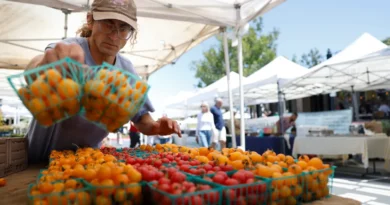
If you visit a genuine farmers market, you might see chefs examining greens, sampling fruits, and planning evening specials featuring farm-to-table dishes — and this is the same strategy any home cook can adopt. Ask questions, taste before buying, and create meals based on what’s seasonal instead of adhering to a rigid shopping list. That’s the essence of the philosophy.