
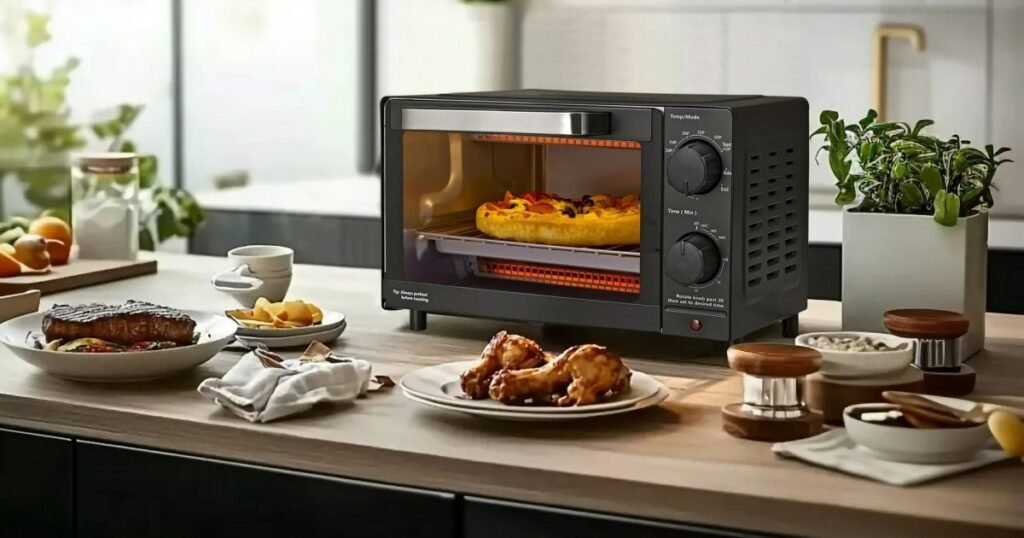
Build a Budget-Friendly Kitchen: What to Buy First and What Can Wait
A budget kitchen should match the meals you cook, the space you have and the way you clean up. Buying a huge matching set can cost more than assembling a few versatile pieces. Start by writing down five meals you want to make regularly, then identify the tools those meals actually require.
Stage one: a working core
- Cutting and prep: a comfortable chef’s knife, a cutting board, a peeler, a mixing bowl and a can opener. Add a paring knife if your recipes need one.
- Stovetop cooking: a skillet and a saucepan with a lid. Check burner size and induction compatibility before purchasing.
- Oven cooking: a rimmed baking sheet and an oven-safe dish if your meals include roasting or baking.
- Basic utensils: a spatula, large spoon, tongs, measuring spoons and a colander.
- Safety and storage: oven mitts, a food thermometer and appropriately sized containers for leftovers.
Spend where a limitation would stop you cooking
A knife should feel controllable, a pan should sit securely and a handle should be comfortable to lift when the pan is full. Price alone cannot establish quality, but neither can a familiar brand name. Read the care instructions and warranty exclusions before deciding that an expensive item will last forever.
A kitchen scale becomes especially useful for recipes written by weight. A stand mixer is much less urgent if you bake occasionally. Try a hand whisk or hand mixer first, but do not assume every appliance has equivalent power, durability or performance. Buy for the task, not for a countertop aesthetic.
Choose cutting boards by care needs
Wood and plastic can both be practical. Keep a separate board for raw meat, poultry and seafood from ready-to-eat foods, wash boards thoroughly and replace badly worn surfaces that are difficult to clean. An “antibacterial” marketing label is not a substitute for cleaning or separation.
Add tools only after noticing a repeated need
After a few weeks, note what repeatedly slows you down. A larger pot may help a household that batch-cooks soup; a second sheet pan may matter more to someone who roasts vegetables. A slow cooker is useful only if its meals and timing fit your routine. Borrow a rarely used appliance before committing storage space to it.
Keep recurring costs visible
Compare replacement parts, accessories, electricity use where available and cleaning requirements. Check that food-storage containers are approved for their intended freezer, microwave or oven use; a glass jar is not automatically oven-safe or suitable for home canning. Reusable cleaning cloths need regular laundering, and sponges need replacement when worn or soiled.
A practical buying rule is to leave some money unspent. Cooking with your first few tools will reveal your next purchase more reliably than a shopping list built around temporary discounts.
Sources and further reading
Related reading: choosing and caring for nonstick cookware and making everyday cooking more manageable.