2026 Grocery Store Trends: Key Priorities for Families Uncovered
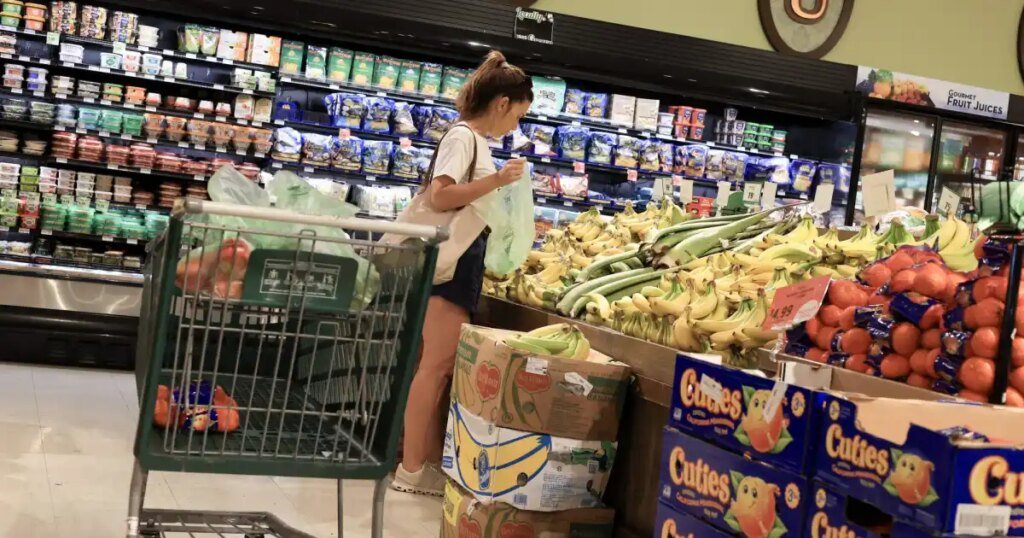
Step into any supermarket in 2026 and the receipts narrate a tale before the bagger even completes their task. Families are taking longer to read labels, opting for larger pack sizes, and choosing convenience over cost — highlighting a shopper who is increasingly strategic, skeptical, and health-conscious this year.
The strain on household budgets persists. Meanwhile, shoppers expect more from their purchases, demanding cleaner ingredients, higher protein content, and convenient meals that cater to their packed weekday schedules. Here’s what’s influencing grocery aisles right now.
Why Prices are Still the Biggest Factor at Checkout
Price remains the most significant signal shoppers are conveying to retailers in 2026. Even those who can manage higher costs are actively seeking deals, while lower-income families are scaling back dramatically — a divide that is reshaping shelf stock and store promotions. The “value” discussion has expanded to incorporate quality and convenience, but the quest for deals remains paramount.
As per Jenny McTaggart and Samantha Schober of ProgressiveGrocer.com: “Last year’s CES indicated that consumers were reluctantly adapting to the reality of higher prices and redefining their value perceptions to include quality and convenience. This trend prevails in 2026, yet most shoppers are actively searching for better deals. Walmart noted during its fourth-quarter earnings report this past February that many middle- and high-income shoppers are spending on good deals, while lower-income households are tightening budgets due to serious financial strains, impacting overall retail sales.”
How Healthier Ingredients Are Reshaping The Cart
Label-reading has transformed into a habit rather than an afterthought. Shoppers are searching for fewer additives, preservatives, and ingredients that don’t necessitate a chemistry degree to understand. This change is influencing how brands market themselves, with transparency emerging as a crucial marketing asset on the shelves.
- Families are scrutinizing labels more attentively.
- Growing interest in fewer additives and preservatives.
- Demand for foods with recognizable ingredients.
According to Acosta Group, Mark Rahiya, Group President of Omnichannel Sales and Services, notes: “Label reading is becoming an integral part of shopper decision-making. Consumers are proactively seeking ingredients that align with their health goals, creating opportunities for natural and organic brands to engage with clarity and communicated benefits.”
Why Bulk Buying Is Making a Comeback
The warehouse-club mentality has permeated traditional supermarkets. Shoppers are acquiring pantry essentials, paper products, and frozen items in larger quantities, banking on per-unit savings to outweigh initial costs. However, this method has its risks: waste can negate savings if families over-purchase perishables.
Jay Wilson from The Daily Meal states: “Everyone’s bulking up, and not just in fitness. Bulk-buying groceries is trendier than ever. Increasingly, people realize the substantial savings from stocking up on daily necessities instead of purchasing them in smaller quantities. However, it’s all too easy to buy incorrectly and end up discarding items. According to research from LendingTree, nearly 40% of bulk buyers waste their groceries, undermining any potential financial advantage.”
How Convenience Foods Are Winning Busy Households
Time is the ultimate currency. Pre-cut vegetables, meal kits, and ready-to-eat selections are taking up valuable shelf space — and funds — from families willing to pay a premium to save another 30 minutes on dinner prep. This trend is generational, too, with younger shoppers increasingly turning to grocery-prepared foods during meal times that once belonged to restaurants or home kitchens.

- Rising trend of pre-cut vegetables and meal kits
- Popularity of ready-to-cook and ready-to-eat meals
- Busy families exchanging time for convenience
McTaggart and Schober add: “Dinner has consistently been the mainstay of supermarket prepared foods, with 52 percent of prepared food buyers claiming it as their most recent purchase. While this remains true, a noticeable shift is happening: Gen Z consumers are increasingly relying on grocery-prepared foods at lunchtime, with 50 percent doing so, while Millennials follow at 37 percent, compared to just 23 percent of Boomers.”
Why Protein Is a Priority in Every Aisle
Protein is no longer exclusive to the meat section. It has infiltrated the snack aisle, cereal aisle, cooler section, and chip displays. Shoppers are looking for it at breakfast, between meals, and post-exercise — and brands are racing to incorporate it into products that previously made no protein claims. The influx of celebrity-backed lines exemplifies how mainstream the demand has become.
Khloé Kardashian’s Khloud line is a prime example of this celebrity-driven growth. According to the Khloud website: “Khloud Protein Chips are our modern take on traditional tortilla chips, enhanced! Each serving offers 7G of protein, matching our popcorn’s protein content, all in a satisfyingly crunchy, savory snack.”