
Diverse Protein Sources: Effective Strategies to Meet Your Daily Goals Without Chicken
Chicken often takes the spotlight as the go-to option for those seeking higher protein meals, yet it’s not the only choice—or always the best one—to meet daily protein goals. If you’re tired of the same grilled chicken breast, reducing your poultry intake, or embarking on a more plant-focused diet, numerous protein sources can deliver comparable nutritional benefits. From lean turkey and fatty fish to lentils, tofu, and quinoa, these alternatives can contribute significant protein grams.
Below is a detailed overview of foods that can substitute chicken, the protein content they offer, and how each fits within a balanced diet.
Other Meats That Match Chicken’s Protein Power
Turkey is the closest relative to chicken in terms of nutrition and serves as a simple substitute in almost any recipe. As noted by Marie Lorraine Johnson from Healthline, “Turkey is a low-fat protein source. The breast is the leanest part, with a 3-ounce (85 grams) serving of roasted, skinless turkey breast providing about 26 grams of protein and 125 calories. Turkey is also rich in niacin, vitamin B6, and selenium, as well as a good source of phosphorus and zinc.”
This blend of lean protein, B vitamins, and trace minerals makes turkey ideal for meal prepping, sandwiches, and weeknight dinners.
Eggs and Dairy as Everyday Protein Staples
Eggs rank among the most efficient protein sources available, being affordable, versatile, and nutritionally complete. Johnson states, “Like most animal products, eggs contain high-quality protein with all essential amino acids. Most vitamins, minerals, and antioxidants in eggs are found in the yolk, although egg whites carry the majority of the protein content. A cup (243 grams) of egg whites delivers 27 grams of protein and roughly 126 calories.”
Whole eggs offer a richer nutrient profile, while egg whites are the ideal choice for maximizing protein with minimal calories. Regardless, they make for a simple enhancement to breakfasts, salads, or post-workout meals.
Seafood Options That Rival a Chicken Breast
Fish and shellfish are prolific in protein, often matching or exceeding poultry’s protein levels per serving. Additionally, they provide omega-3 fatty acids, iodine, and vitamin D—nutrients that chicken lacks in similar quantities.
Here’s how some seafood compares:
- Tuna (yellowfin, cooked, 3 ounces): 25 grams protein
- Octopus (3 ounces): 25 grams protein
- Halibut (3 ounces): 23 grams protein
- Sardines (1 can, ~3.75 ounces): 22-23 grams protein
- Salmon (3 ounces): 22 grams protein
Canned options like tuna and sardines are particularly convenient for quick lunches and meals when cooking isn’t an option.
Plant-Based Proteins That Go Beyond the Salad Bowl
Plant-based foods have evolved beyond mere side dishes; several can genuinely compete with chicken as a primary protein source. Tofu stands out for its versatility, adapting to the flavors of accompanying ingredients.
According to Daryl Austin from USA Today, “Tofu’s principal nutritional appeal lies in its protein content. Depending on the brand and firmness, a typical 3-ounce (85 grams) serving of firm tofu provides approximately 8 to 12 grams of protein, implying that a half-cup serving can yield around 15 to 20 grams, making it a significant contributor to daily protein needs.”
Other noteworthy plant-based protein options include:
- Tempeh
- Edamame
- Lentils
- Chickpeas
- Black beans
- Kidney beans
- Split peas
Legumes also add fiber, absent in chicken, which benefits digestion and blood sugar regulation.
Nuts With Serious Protein Credentials
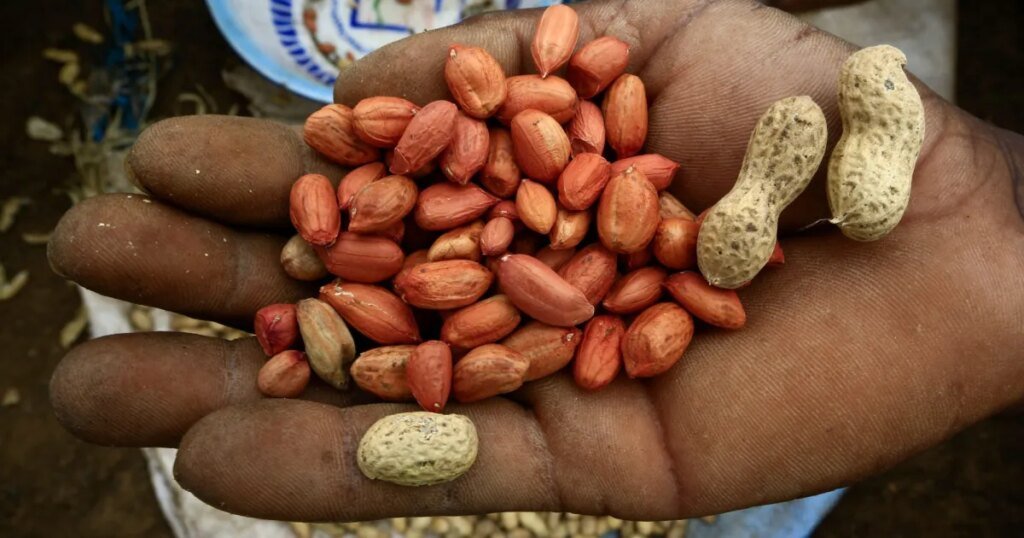
Nuts and seeds are often categorized as snacks, but their protein contributions can accumulate quickly when incorporated into meals. Peanuts are at the forefront.
As Lindsey DeSoto, RD, notes with Health, “Peanuts rank first in the protein category, with one ounce—about a small handful or 28 peanuts—offering 7.31 grams of protein. Though technically a legume, peanuts are commonly classified with nuts due to their similar nutritional properties and culinary uses.”
Other nuts include almonds, pistachios, cashews, walnuts, Brazil nuts, and pine nuts, which may not match a chicken breast on their own but can significantly enhance protein intake when added to grain bowls, sauces, or enjoyed as snacks.
Whole Grains That Pull Their Weight
Grains are not typically regarded as major protein sources, but some standouts do more than just fill up the plate. Quinoa is a prime example.
According to the British Heart Foundation, “Quinoa is prepared and consumed like a grain but is actually the seed of a green vegetable related to chard and spinach. It’s a good protein source, notable not just for its quantity but also for its quality. Unlike cereals, quinoa contains all essential amino acids found in animal protein. It serves as an easy alternative to rice and pasta. Five tablespoons (185 grams) of cooked quinoa hold 8 grams of protein.”

Other grains like farro, buckwheat, and oats also provide substantial protein alongside fiber and complex carbs, making them useful for bowls, breakfasts, and side dishes.
Not every meal can be freshly prepared, and the packaged goods aisle has evolved to meet protein demands. Ready-to-drink protein shakes and protein bars can bridge meal gaps, and higher-protein pasta made from chickpeas, lentils, or edamame can transform a simple weeknight dinner into a protein-rich experience.
These alternatives aren’t replacements for whole foods but serve as practical backup options when time is short and protein needs remain.