
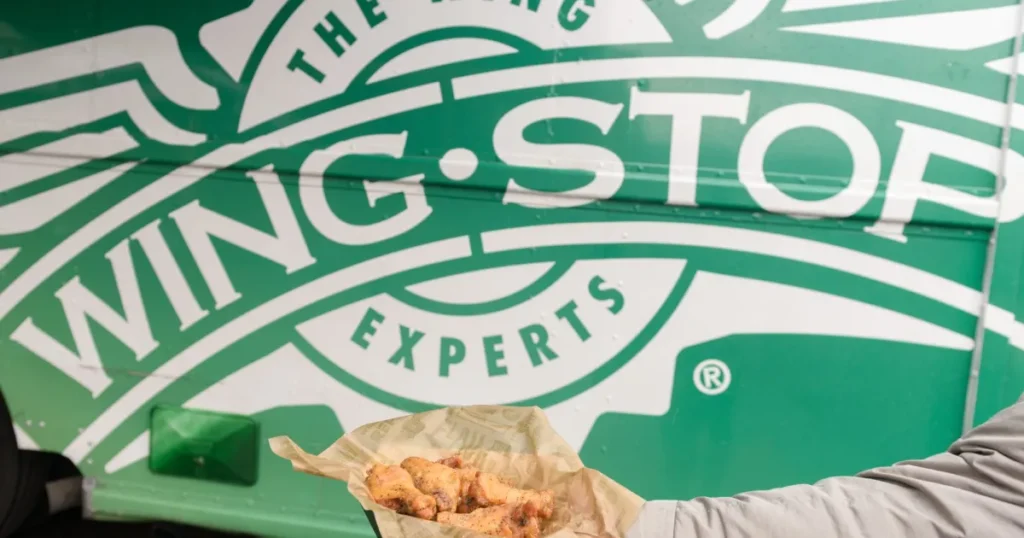
Wingstop’s Bold Chamoy and Tajin Gamble Pays Off for Swangy Fans
Wingstop introduced Sweet Heat Chamoy featuring Tajín in June 2026, prompting numerous inquiries online. What’s the flavor profile? Is it still on the menu? And what does “swangy” even mean?
This limited-time flavor brought chamoy and Tajín wings to over 3,000 Wingstop locations across the country. It marked a significant milestone for the swangy flavor trend and fans eager to explore the best flavors Wingstop has to offer.
Whether you sampled it and want a detailed analysis or completely missed out, here’s everything you need to know about Sweet Heat Chamoy, its role in a broader flavor trend, and what it could signal for Wingstop’s future sauces and wings.
What Was Wingstop’s Sweet Heat Chamoy?
Sweet Heat Chamoy was a seasonal flavor featuring a custom chamoy dry rub paired with Tajín Chamoy Sauce. Wingstop unveiled this flavor on June 25, 2026, releasing it nationwide by June 30.
The chain described its taste as initially fruity and sweet, followed by a hint of lime and tanginess, culminating in a slowly building chile kick.
What Menu Items Featured the Chamoy and Tajin Wings Flavor?
Sweet Heat Chamoy was offered on classic and boneless Wingstop wings, tenders, chicken sandwiches, fries, and corn. The launch also included Chamoy Ranch, a sweet and savory take on Wingstop’s signature ranch, and Fanta Summer Punch at locations with Coca-Cola Freestyle machines.
Is Wingstop Sweet Heat Chamoy Still Available?
No, the limited-time offering has concluded. However, its official promotional page remains accessible. Wingstop has not indicated if the flavor will make a comeback.
What Did Wingstop Say About the Chamoy Launch?
“Chamoy has risen to prominence in food culture, and Sweet Heat Chamoy reflects our take on that trend,” said Wingstop Chief Brand Officer Donnie Upshaw in a press release. “By merging a bold dry rub with Tajín Chamoy, we’ve crafted something authentic, craveable, and unmistakably Wingstop.”
What Does Swangy Mean?
Swangy refers to a flavor profile that blends sweetness, spiciness, and tanginess. It distinguishes itself from “swicy,” which merely combines sweetness and heat, by including an acidic or tangy element as well.
Chamoy exemplifies this. The Wingstop version offered sweetness upfront, followed by lime in the middle and a chile finish. Each flavor unfolded in layers rather than overwhelming the palate at once.
What Is Tajin and Where Does It Come From?
Tajín was established in Mexico in 1985 and began exporting to the United States in 1993. The brand is celebrated for its signature mix of chile, lime, and salt, which has transcended traditional fruit cups and Mexican treats to infiltrate menus nationwide.
Numerous major chains have featured Tajín recently. In 2024, Taco Bell introduced a complete Tajín menu. Other restaurants such as Fuzzy’s Taco Shop, Dutch Bros, First Watch, Dairy Queen, and Applebee’s have also incorporated the ingredient.
Tajín was present on 1.3 percent of U.S. restaurant menus in 2021, increasing to 2.2 percent by the end of 2025—a remarkable growth of roughly 69 percent over four years, as reported by Technomic data through Nation’s Restaurant News.
What Is Chamoy?
Chamoy is a Mexican condiment made from pickled fruit, chili, and lime. It can be found as a sauce, paste, or powder and is typically used on fresh fruits, candies, and snacks. The flavor profile is sweet, tangy, and spicy simultaneously, making it a perfect fit for the swangy category.
Why Was the Wingstop Launch a Big Deal for the Swangy Flavor Trend?
Wingstop introduced Tajín and chamoy wings on a global platform with over 3,000 locations, a reach that most regional chains cannot achieve.
Furthermore, the collaboration spotlighted Tajín’s brand by directly associating it with the product rather than disguising the flavor behind a generic label like “sweet chili.” This approach maintained chamoy’s Mexican roots while presenting it through familiar fast-food formats.
Creating an entire limited-time experience centered around this flavor illustrated that chamoy could serve as a comprehensive menu concept, not just a side or garnish.
Why Do Gen Z Consumers Love Swangy Flavors?
GlobalData found that 65 percent of Gen Z consumers globally value uniqueness and novelty when making food purchases. Layered flavor profiles like swangy resonate with this demographic.

“Brands that revitalize comfort foods while preserving authenticity and view innovation as a continuous effort through limited offerings and remixable flavor frameworks will be best positioned to foster loyalty and remain culturally relevant,” stated GlobalData consumer analyst Sainul Abidin.
What Comes Next for Chamoy and Swangy Flavors?
The launch by Wingstop doesn’t automatically make chamoy a permanent fast-food feature, but it does add to the ongoing trend of national chains exploring this flavor.
GlobalData has identified chamoy- and Tajín-inspired products as a burgeoning area in snack and confectionery development, alongside flavors like chili mango and spicy caramel. Anticipate recognizable American offerings such as ranch, barbecue wings, and frozen beverages to intertwine with tamarind, lime, and chili as the swangy flavor trend continues to evolve.