
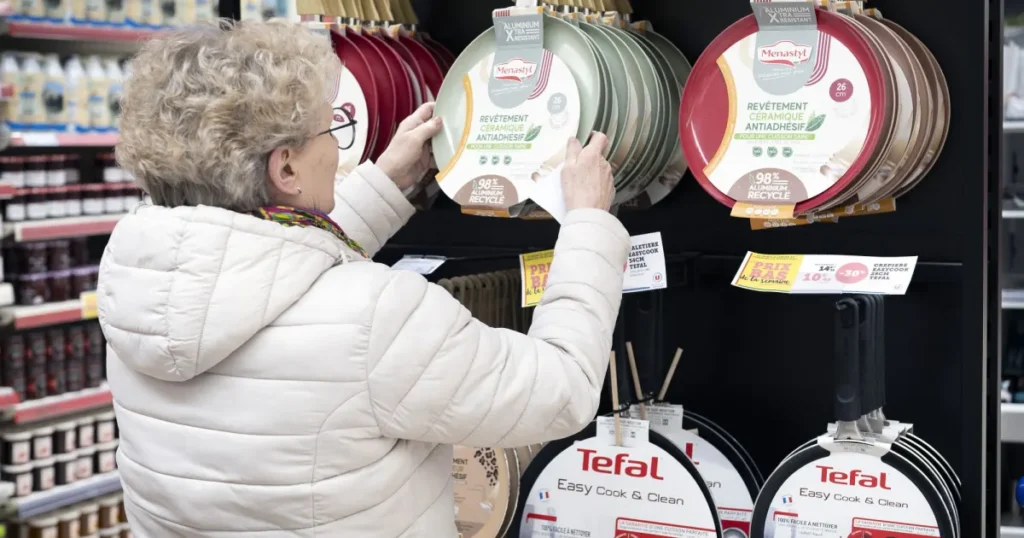
Is Your Nonstick Pan Safe? Understanding Teflon Concerns
A nonstick pan often seems innocuous due to its familiarity. It simplifies cooking eggs, eases cleanup, and reduces weeknight meal stress. However, for households with children, individuals with asthma, or pets, the usage of that pan is crucial.
The risk is not associated with normal low-heat cooking. The danger arises when nonstick cookware overheats, releasing fumes associated with “Teflon flu.” For pet owners, the risk is amplified as birds are particularly susceptible to the fumes from overheated nonstick coatings.
You can avoid Teflon flu by equipping your kitchen with non-toxic, nonstick cookware.
What Is Teflon Flu?
Commonly referred to as “Teflon flu,” polymer fume fever occurs from inhaling fumes emitted by overheated nonstick cookware.
The coating in question is polytetrafluoroethylene (PTFE), best known under the brand name Teflon. While PTFE typically remains safe during normal usage, it can decompose and release harmful fumes at high temperatures.
The National Capital Poison Center reported several hundred suspected cases to U.S. poison centers in 2023, marking the highest reported instances since 2000, with over 3,600 suspected cases in two decades, according to ABC News.
Experts believe Teflon flu is often underreported, as symptoms can appear hours later and may be confused with cold, flu, or respiratory infections.
Why Children and Pets Need Extra Caution
Teflon flu can impact healthy adults, but families with young children and pets should exercise additional caution.
Children have developing lungs, making airway irritation more critical if they have asthma, allergies, or other respiratory conditions. Similarly, adults with asthma or chronic lung diseases might also experience heightened respiratory issues.
Birds are particularly vulnerable to PTFE fumes and should be kept out of the kitchen while nonstick cookware is in use. If a pan overheats, promptly relocate pets from the area.
Symptoms of Teflon flu typically manifest within 12 to 24 hours after exposure.
Common symptoms include fever, chills, fatigue, headaches, body aches, tightness in the chest, coughing, shortness of breath, and airway irritation.
Most cases resolve independently within one to three days; however, severe symptoms may occur following intense overheating, prolonged exposure, or in poorly ventilated areas.
Dr. Darien Sutton, an emergency medicine physician, advised on Good Morning America about caution with PFAS-containing products, including PTFE.
“While we are still learning the long-term impacts, these chemicals are linked with health concerns such as thyroid issues, certain cancers like kidney cancer, and fertility complications,” Sutton noted.
The Nonstick Pan Habits Most Likely to Cause Trouble
Teflon flu often correlates with heat, damage, or inadequate airflow. PTFE coatings begin to deteriorate at temperatures exceeding 500 degrees Fahrenheit.
One of the riskiest practices is preheating an empty nonstick pan on high heat, as there’s no food or oil to absorb the heat. Other risky behaviors include broiling with nonstick cookware, high-heat cooking, using scratched pans, and cooking without proper ventilation. Pans that are chipped, peeling, or heavily scratched should be replaced.
Sisavath Keovilay, PhD, from the Keiser University Center, recommended the American Society of Registered Nurses, stating, “Utilizing a vent hood system is a wise practice due to the smoke point of food and the chemicals present in cooking.”
How to Make Nonstick Cookware Safer at Home
Consider nonstick cookware as a tool for low to medium heat, rather than an all-purpose pan.
Never preheat an empty nonstick pan. Always add butter, oil, or food before turning on the heat. Keep cooking temperatures low to medium, ideally at or below 450 degrees Fahrenheit. Steer clear of broiling, high-heat searing, or any method that risks reaching the PTFE breakdown point.
Protect the coating by opting for wooden, plastic, or silicone utensils instead of metal. Clean with mild soap and a soft sponge rather than abrasive tools. Regularly check for scratches, chips, or peeling, and replace any damaged cookware promptly.
It’s advisable to replace nonstick pans every three to five years, or sooner if signs of wear appear. Ensure proper ventilation by opening windows, turning on exhaust fans, and keeping pets, especially birds, away from the kitchen during cooking.
What to Do If a Nonstick Pan Overheats
If you suspect your nonstick pan has overheated, turn off the heat right away. Open windows, activate exhaust fans, and clear the kitchen of children, adults, and pets.
Keep an eye on your symptoms for the next day. Mild symptoms may alleviate with rest, hydration, and over-the-counter pain relief. Seek medical assistance if symptoms become severe, last longer than expected, or result in breathing difficulties. Individuals with asthma might benefit from a breathing treatment.
If this situation happens often, consider investing in non-toxic, nonstick cookware instead.

Are PFAS in Nonstick Cookware Regulated?
Some PFAS, commonly referred to as “forever chemicals,” have been phased out in the U.S., including PFOA, once used in Teflon production. However, PTFE remains prevalent in nonstick cookware.
States like Minnesota, Maine, Connecticut, Rhode Island, and Colorado have enacted laws banning PFAS in cookware, according to USA Today. In regions without such bans, proper usage continues to be important.
The optimal Teflon pans are those that are not only new but are also used gently, maintained below high heat, properly ventilated, and replaced before the coating shows signs of wear.