The Top Food Trends Shaping Family Kitchens in 2026
In 2026, American families prioritize protein in meals, favor grazing over formal dinners, and integrate vegetables into kid-friendly dishes, adapting to modern schedules and lifestyles.
In 2026, shoppers are increasingly strategic, valuing price, quality, and convenience. Families are scrutinizing labels for healthier options while bulk buying and convenience foods rise in popularity.
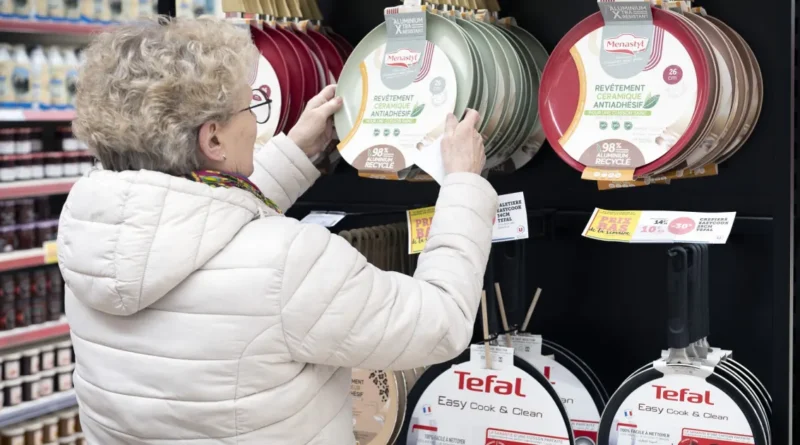
Selecting non-toxic nonstick cookware can be challenging due to varied claims. It’s vital to understand labels and recognize that effective cookware depends on materials suited for specific cooking techniques.
The clean beauty movement’s emphasis on scrutinizing product ingredients is now influencing cookware choices. Consumers are increasingly questioning the safety and labeling of non-toxic cookware.
Heritage sourcing focuses on older, unmodified food varieties, addressing climate change and biodiversity concerns. It meets rising consumer demand for transparent, locally sourced food.
Cooking can be daunting due to mental fatigue from decision-making and hidden responsibilities. Simplifying tasks, organizing the kitchen, and adjusting expectations can help alleviate this stress.
The farm-to-table movement emphasizes sourcing food directly from local producers, enhancing transparency and sustainability, benefiting both diners and farmers by improving quality and profit margins.
Pasta can elevate blood sugar, but typically slower than refined carbs. Alternatives like whole-grain or legume-based pasta can help mitigate glucose responses. Portion control is essential.
Celebrities like Taylor Swift and Hailey Bieber frequent NYC’s exclusive Italian restaurants, including Carbone and Rao’s. Reservations are essential, often filling quickly.
Nonstick pans degrade over time due to heat and scratches, raising concerns about “forever chemicals” like PTFE. Signs of wear include scratches, discoloration, and sticking food.